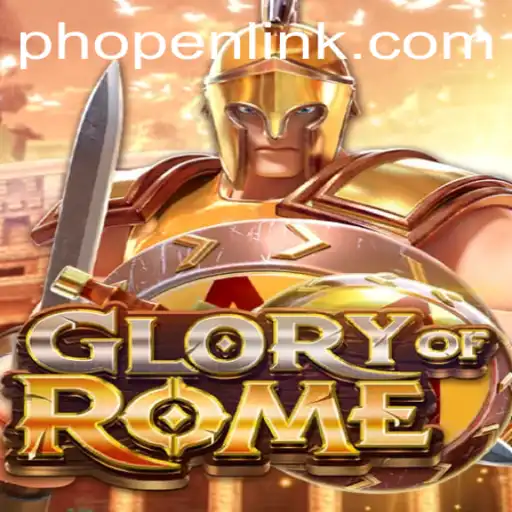
Introduction to GloryofRome
In the vast realm of strategy games, GloryofRome has emerged as an engaging experience that captures the essence of the Roman Empire. This innovative board game invites players into the world of Roman politics, warfare, and diplomacy. Designed for strategic thinkers, GloryofRome challenges participants to expand their dominion through cunning tactics and well-planned maneuvers.
Game Description
GloryofRome is set against the backdrop of ancient Rome, a civilization known for its military prowess and influential governance. The game incorporates various elements such as resource management, territorial conquest, and alliance formation. Each player assumes the role of a Roman leader, tasked with the mission of achieving supremacy while navigating the complex political landscape of the Empire.
The board represents the expanse of the Roman Empire, divided into provinces that hold strategic significance. Players must utilize resources, form alliances, and make critical decisions to outmaneuver their opponents. The game is designed to be both thought-provoking and immersive, providing a glimpse into the challenging yet fascinating world of ancient Rome.
Game Mechanics and Rules
Understanding the rules of GloryofRome is vital for mastering its intricate gameplay. The game is divided into phases, each representing a different aspect of ruling an empire. At the start, players receive a set amount of resources, including gold, soldiers, and diplomatic tokens.
Phase 1: Resource Allocation
In the first phase, players allocate resources to their provinces. Balancing economic growth and military strength is crucial, as inadequate resource management can lead to vulnerability against opponents.
Phase 2: Diplomatic Engagement
Phase two focuses on diplomacy, where players can form alliances or make secret pacts to bolster their position. This phase reflects the sophisticated political maneuvers necessary to maintain power in ancient Rome.
Phase 3: Military Deployment
The third phase allows players to deploy their military forces strategically. Whether opting for a defensive stance or planning aggressive expansions, players must carefully consider the strengths and weaknesses of their legions.
Phase 4: Conflict Resolution
In the conflict resolution phase, battles are fought based on military deployments. Using a combination of strategy and chance, players resolve skirmishes that can lead to territorial gains or losses.
Phase 5: Governance
Finally, the governance phase involves enacting policies that can enhance a player's empire. This might include building infrastructure, improving trade routes, or instituting reforms that benefit the provinces.
The Phopen Event
To keep gameplay fresh and unpredictable, GloryofRome introduces periodic events, one of which is the intriguing Phopen event. Occurring at random intervals, the Phopen event can greatly alter the course of the game, introducing new challenges and opportunities.
During the Phopen event, players draw from a special deck that includes unforeseen scenarios affecting resource availability, alliances, or even military strength. A sudden drought might limit food supplies, while a diplomatic envoy could shift political dynamics. By immersing players in unexpected situations, the Phopen event ensures that strategy must be continuously adapted.
Current Events and Their Influence
The launch of GloryofRome coincides with an increasing interest in strategic board games. Recent global events, such as the rise in popularity of tabletop gaming and the resurgence of historical interest, have paved the way for GloryofRome to capture the attention of gamers and historians alike.
As more individuals turn to board games as a means of social interaction, there is an emerging community of enthusiasts eager to engage in complex and intellectually stimulating gameplay. GloryofRome not only provides entertainment but also offers players an educational exploration of Roman history and politics.
The game appeals to a broad audience, from seasoned gamers seeking strategic challenges to history buffs interested in a nuanced portrayal of the Roman Empire. Its intricate design reflects the complexity of Roman society, creating an interactive learning experience that goes beyond traditional board games.
Moreover, GloryofRome's adaptability to current events showcases the timeless relevance of historical strategy games. By aligning gameplay with contemporary interests, such games continue to captivate players around the world.
Conclusion
With its rich thematic elements and strategic depth, GloryofRome promises to offer countless hours of engaging gameplay. The incorporation of current events, along with the unique Phopen event, ensures that each game session presents new challenges and learning opportunities. Whether you are drawn by its strategic allure or its historical authenticity, GloryofRome invites you to dive into the world of ancient Rome and experience a piece of its storied past.