
Exploring WolfLand: A Journey into Strategy and Survival
Embark on a thrilling adventure with WolfLand, a game that combines strategic planning and survival instincts, set against the backdrop of current events.


Jueteng is a popular numbers game or lottery that emerged in the Philippines during the Spanish colonial period.
Its roots trace back several centuries and reflect a deep-seated aspect of Filipino sociocultural life. Jueteng, derived from the Spanish word "juego," meaning "game," evolved alongside the local culture, adapting over time to the changing socio-economic contexts of the nation.
This game integrates aspects of luck and number selection, typically involving the selection of a number combination between 1 and 37.
It is played by various Filipino social classes, though prevalently among those with lower-income backgrounds who see it as a quick and easy method of earning money.
At its core, jueteng is a straightforward game that involves players betting on a combination of numbers.
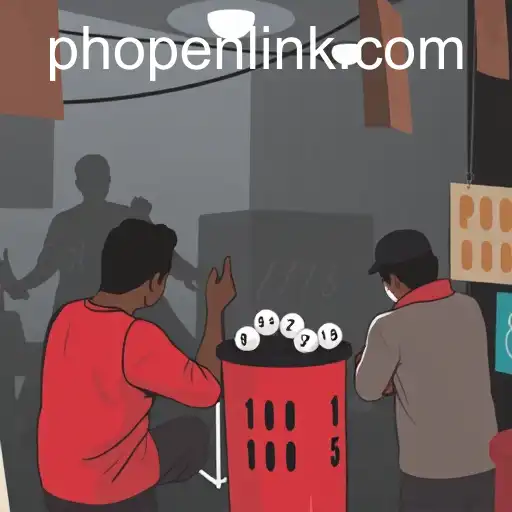
These numbers are drawn by operators using a method that usually employs two sets of balls in symbolic containers, reminiscent of a local bingo-style setup.
The results are called out by "kobrador," street-level bet collectors who gather wagers from participants within their jurisdictions.
The game offers a low entry point for participants, typically requiring minimal monetary bets, making it accessible to many.
Winning, however, is notoriously difficult, given the randomness involved and the number of players participating daily.
Despite being illegal, jueteng holds substantial economic significance in the regions where it is prevalent.
It provides employment opportunities for many individuals, ranging from "kobrador" to higher-level figures who facilitate the operations.
For many poverty-stricken communities, jueteng offers an alternative means of income.
Proponents of jueteng argue that the game circulates money within the local economy, partly alleviating poverty during economically challenging times.
The informal employment generated also points to a gap in the formal job sector that fails to cater to all segments of society.
The primary controversy regarding jueteng lies in its illegality.
While deeply embedded in Philippine society, the government bans the game due to its unregulated status and the associated risks of extortion and corruption.
Efforts to curtail jueteng have been numerous, yet the game persists and thrives in the underground economy, partly due to its social entrenchment and economic allure.
Extensively covered by media outlets, jueteng remains a hot-button issue in political discourse.
Numerous allegations and incidents of graft associated with the highest levels of government have surfaced over the years, highlighting connections between corrupt officials and jueteng operators.
Proposals to legalize and regulate jueteng have surfaced time and again.
Proponents of legalization argue that doing so could transform the game into a valuable taxable asset for the government, redirecting proceeds into public projects and services.
Regulation could also render the game safer and reduce criminal activity tied to its operations.
However, opponents of legalization express concern over its potential to exacerbate gambling addiction, as well as fears that regulation might merely transfer corrupt practices to formal channels.
They warn of the socio-cultural impacts and the ethics of state-endorsed gambling in communities already grappling with economic issues.
Jueteng continues to represent a complex challenge within the Philippine context, intertwining economic, social, and legal threads into a broader picture of endemic poverty and systemic corruption.
Efforts to address jueteng require comprehensive strategies that not only tackle the game itself but also the underlying societal issues that fuel its prevalence.
The potential for regulated and alternative gambling solutions has begun to gain traction, with policymakers and stakeholders discussing innovations beyond traditional jueteng.
The future direction hinges on balancing cultural heritage with progressive reform, potentially offering pathways to legal measures aligning with broader socio-economic goals.
If you're looking for a reliable, fully licensed, and secure sportsbook with a wide selection of games, phopen is the perfect choice. We're committed to providing you with the best online betting experience, with premium quality, excellent service, and continuous innovation. Sign up now and receive ₱777 for free!
Join now
Get the latest information, experience and betting strategies from the expert team at phopen.
Embark on a thrilling adventure with WolfLand, a game that combines strategic planning and survival instincts, set against the backdrop of current events.
Dive into the mystical world of TreasureoftheGods, an exhilarating game that combines ancient mythology with modern gameplay mechanics. Discover its captivating story, innovative rules, and current trends in the gaming industry.
Explore CrownofFortune, a captivating game weaving strategy and luck in a medieval setting filled with challenges and treasures.

Discover the thrilling universe of Spindrift and navigate your way through the captivating world of Phopen. Learn about the game’s unique features, immersive environments, and strategic gameplay.

Unravel the secrets of MoonlightTreasure, a captivating game that blends adventure and strategy under the serene glow of the moon.

Explore the immersive world of Wrath of Olympus III, a captivating game that blends mythical elements and strategic planning. Learn about its unique features, gameplay introduction, and detailed rules for an engaging experience.
 Join now